Rear racks for camper vans
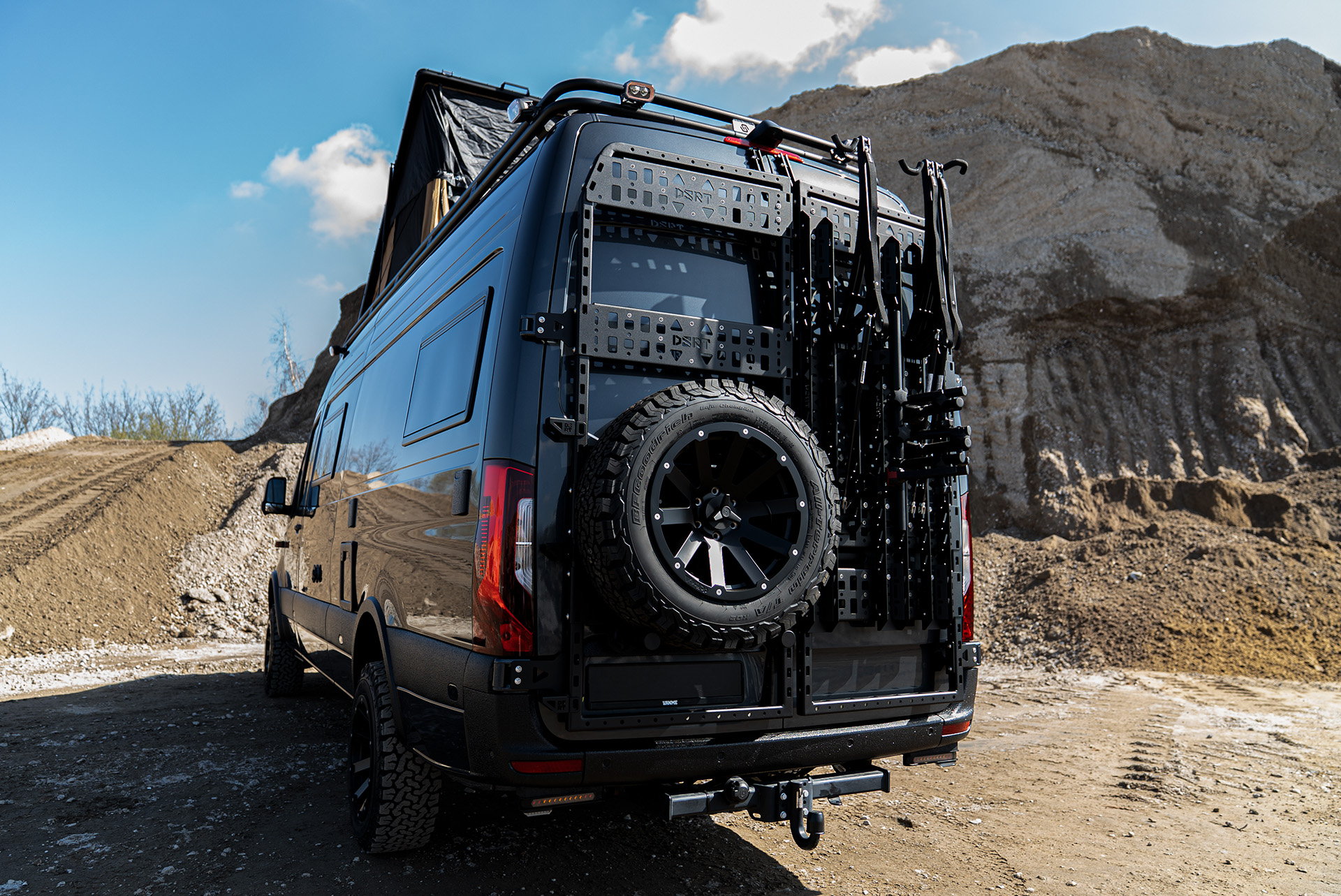
VANME designs and installs rear cargo racks for the Mercedes Sprinter, VW Crafter, MAN TGE, and Fiat Ducato—using only sturdy systems from Kreavans, Delta 4×4, and Rover Vans. We can also find the right solution for the Iveco Daily, Ford Transit, or VW T5 through T7. First, we check whether your vehicle meets the technical requirements: Not every panel van comes standard with the necessary door hinges, reinforcements, or permissible load capacities. That’s why personalized consultation is always part of the process.
- Storage Space Without Compromise
- Safely Installed Thanks to Professional Inspection
- Maximum load capacity at the rear
- Stable on any terrain
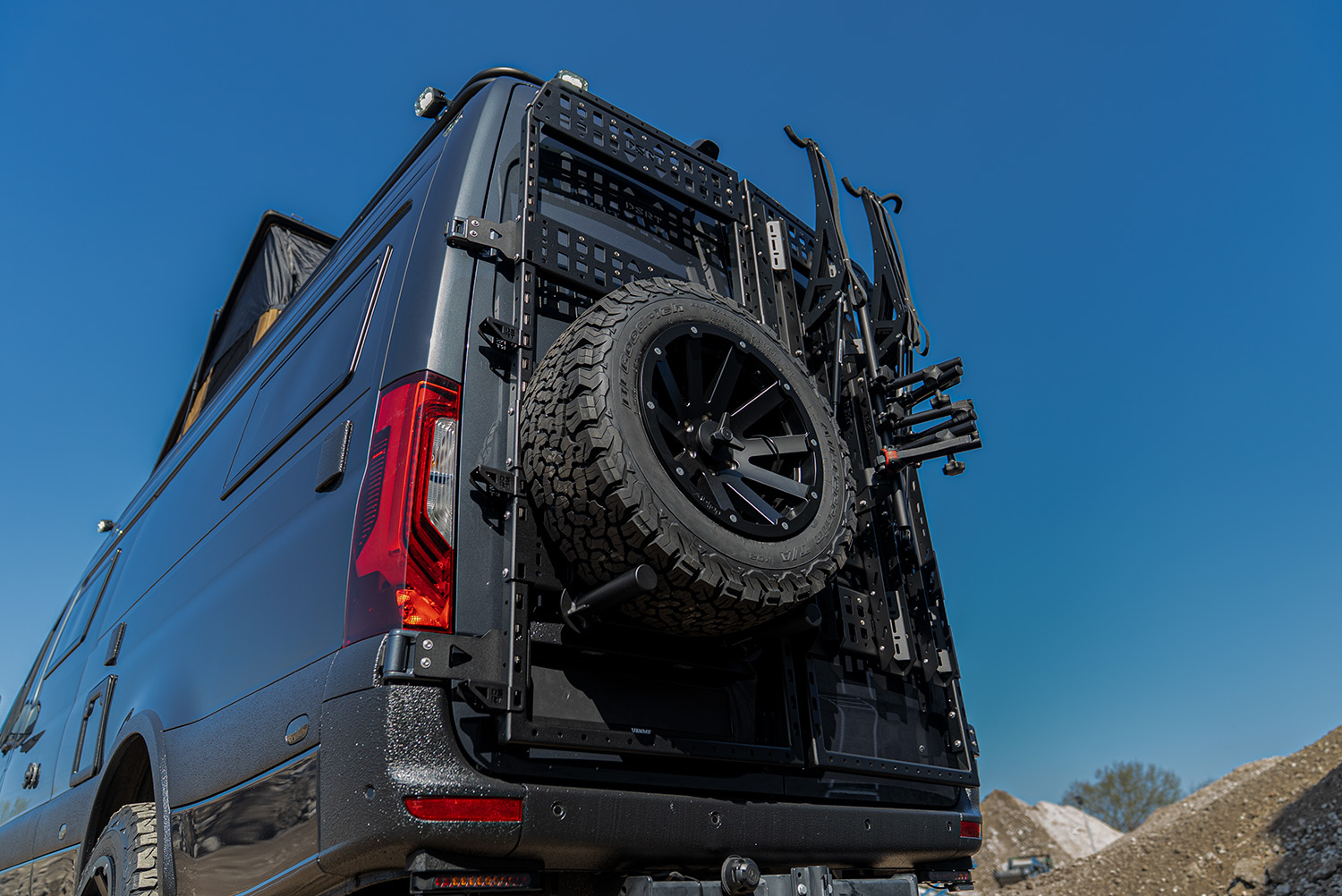
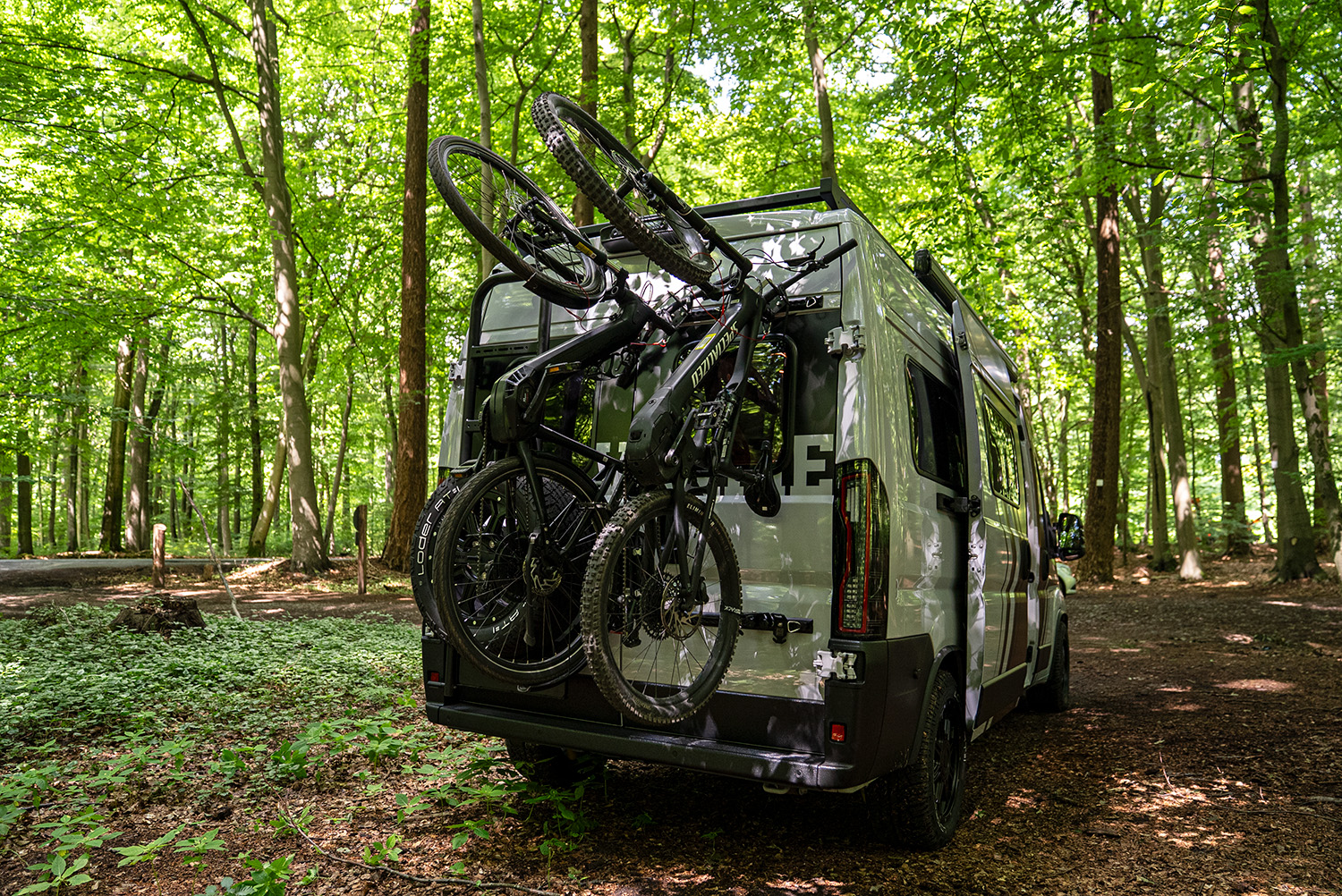
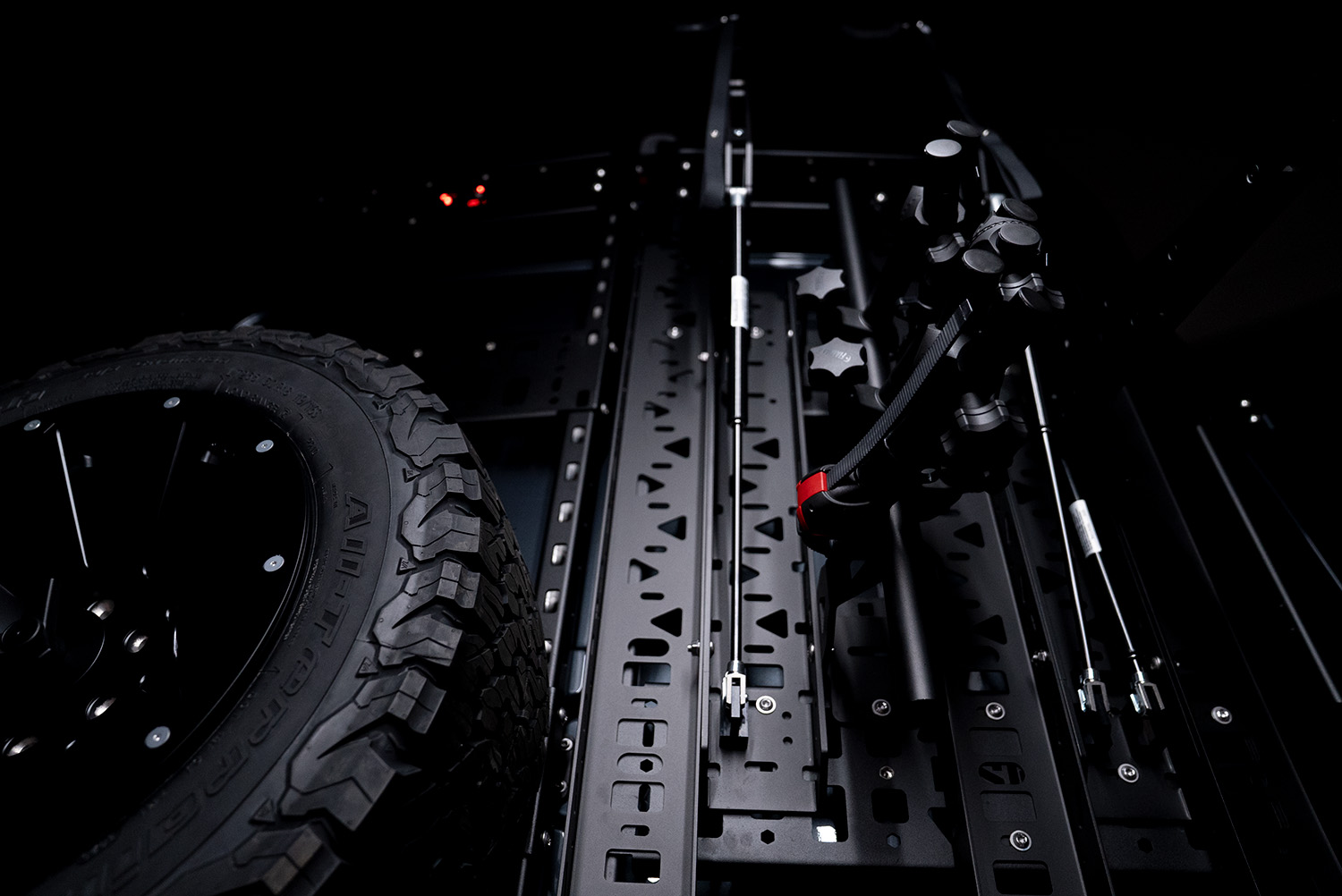
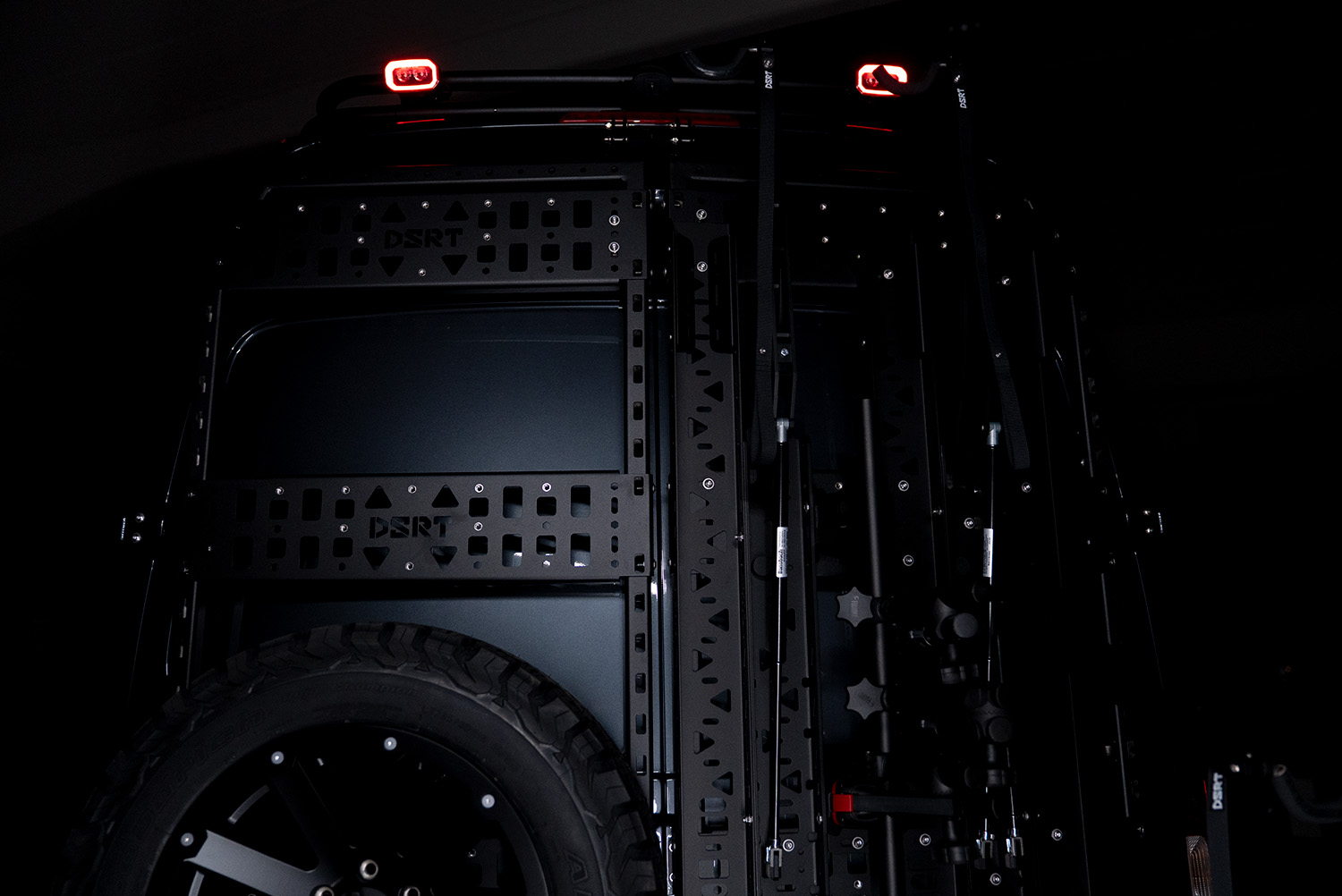
Have a rear bike rack professionally installed
Your camper. Your gear. Your rear rack system.
Choose your vehicle and let us know your preferences. We’ll design a rear rack system that’s perfectly tailored to your trips.
All services can be requested and ordered individually. Put together your own custom setup and send us your request.
Proper Installation
Professional & Reliable
Personalized Consultation
Setup according to your preferences
Prompt Feedback
Response within 5 business days
So that parts from
can be used fortuning.
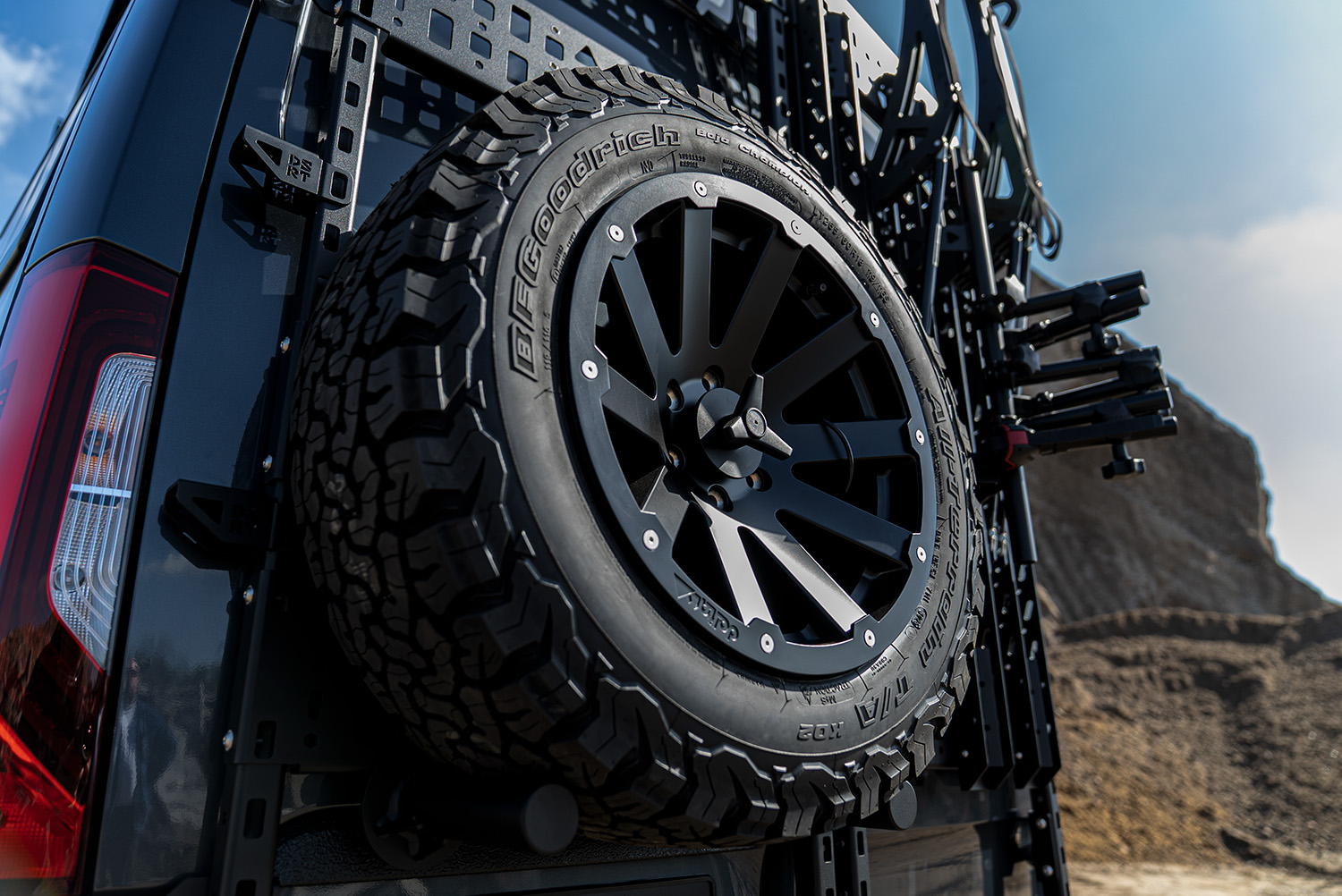
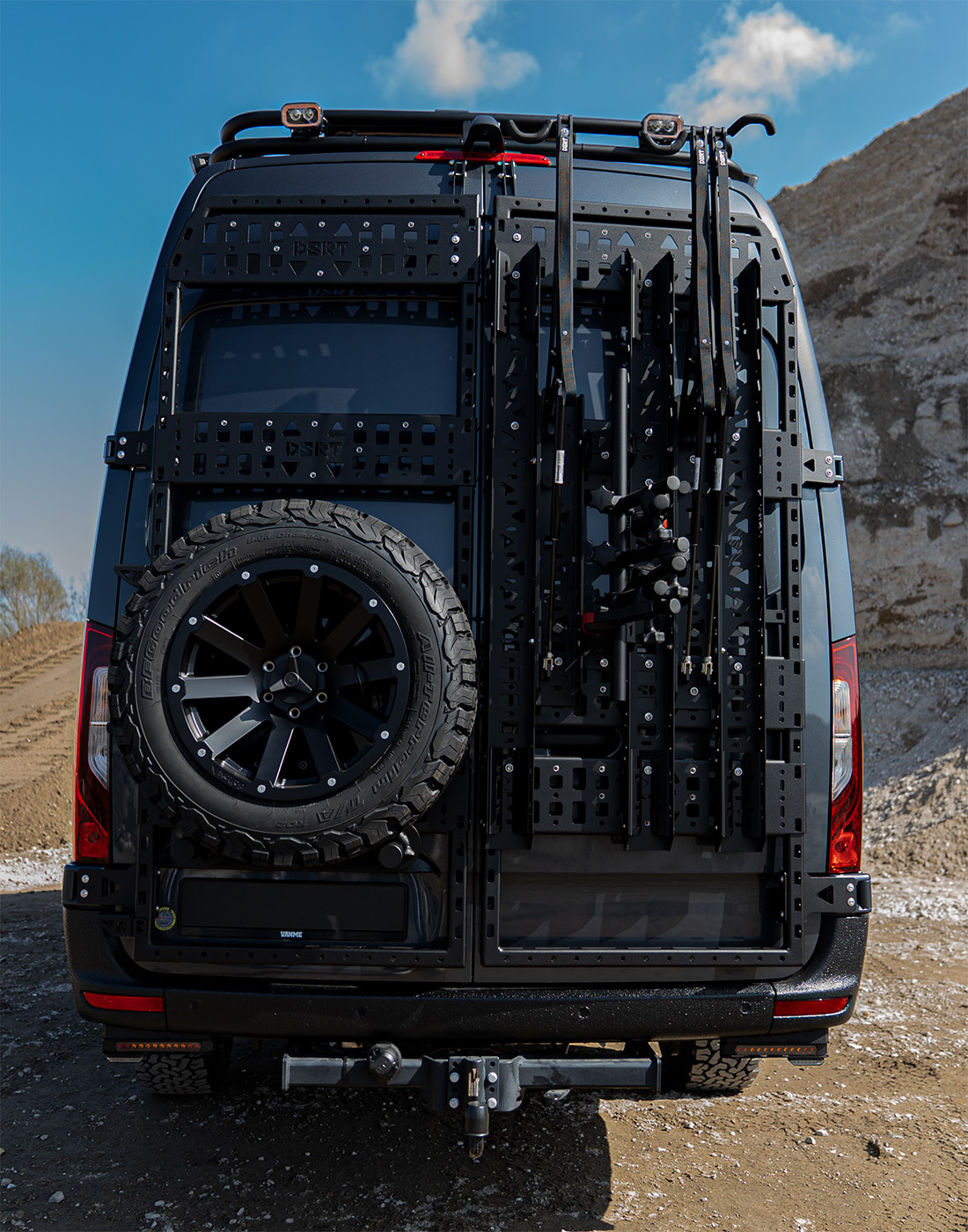
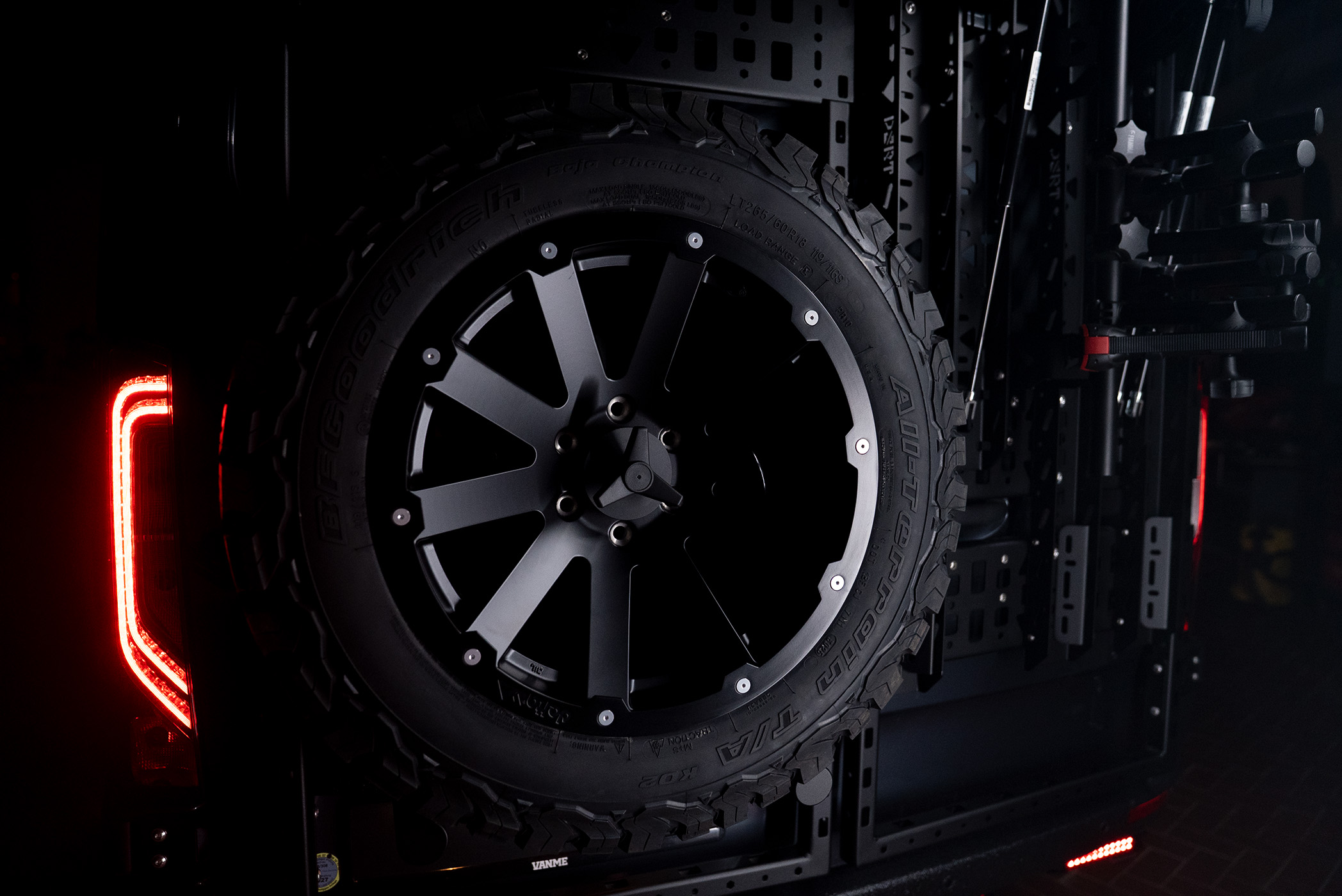
Transport the spare tire safely on the outside
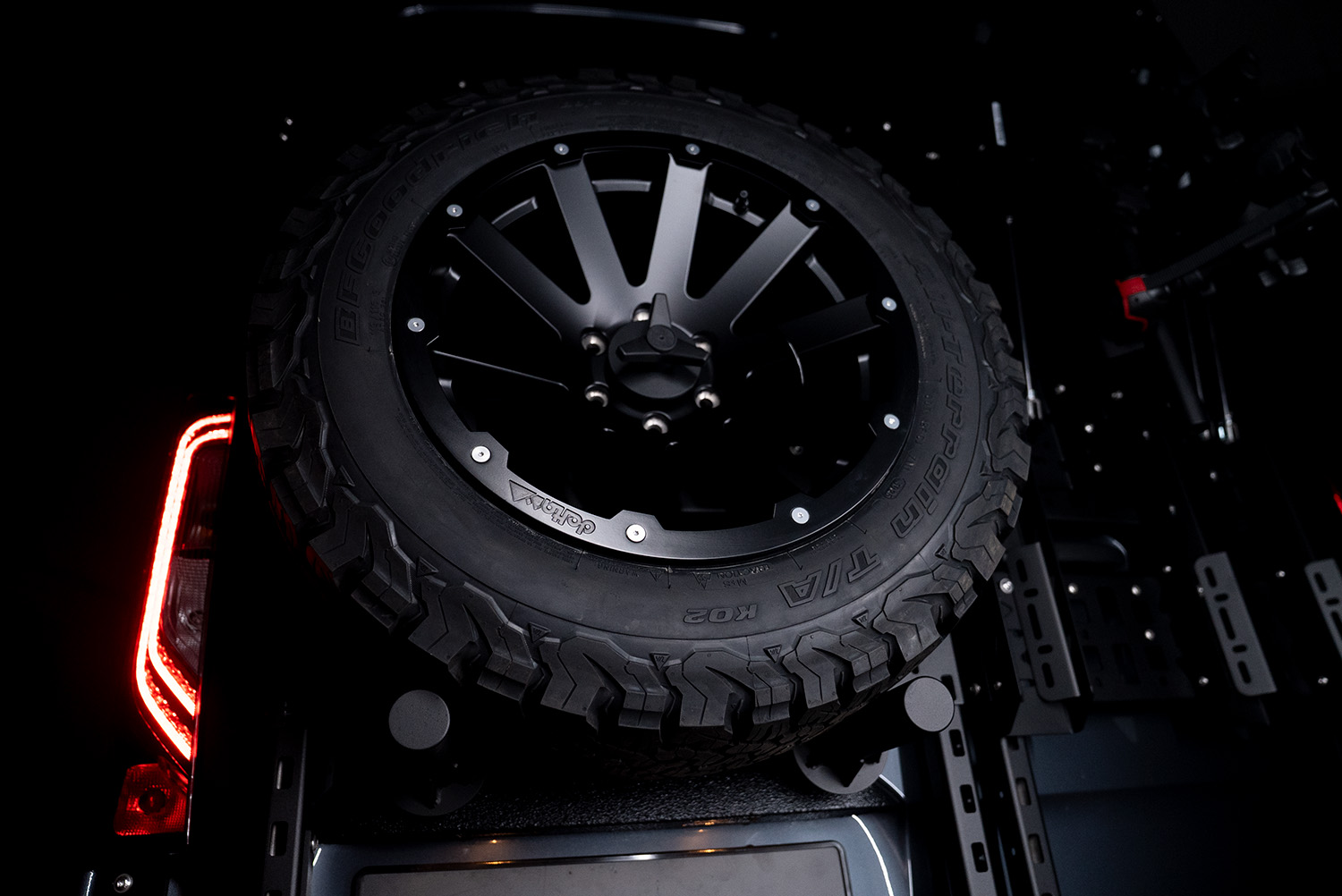
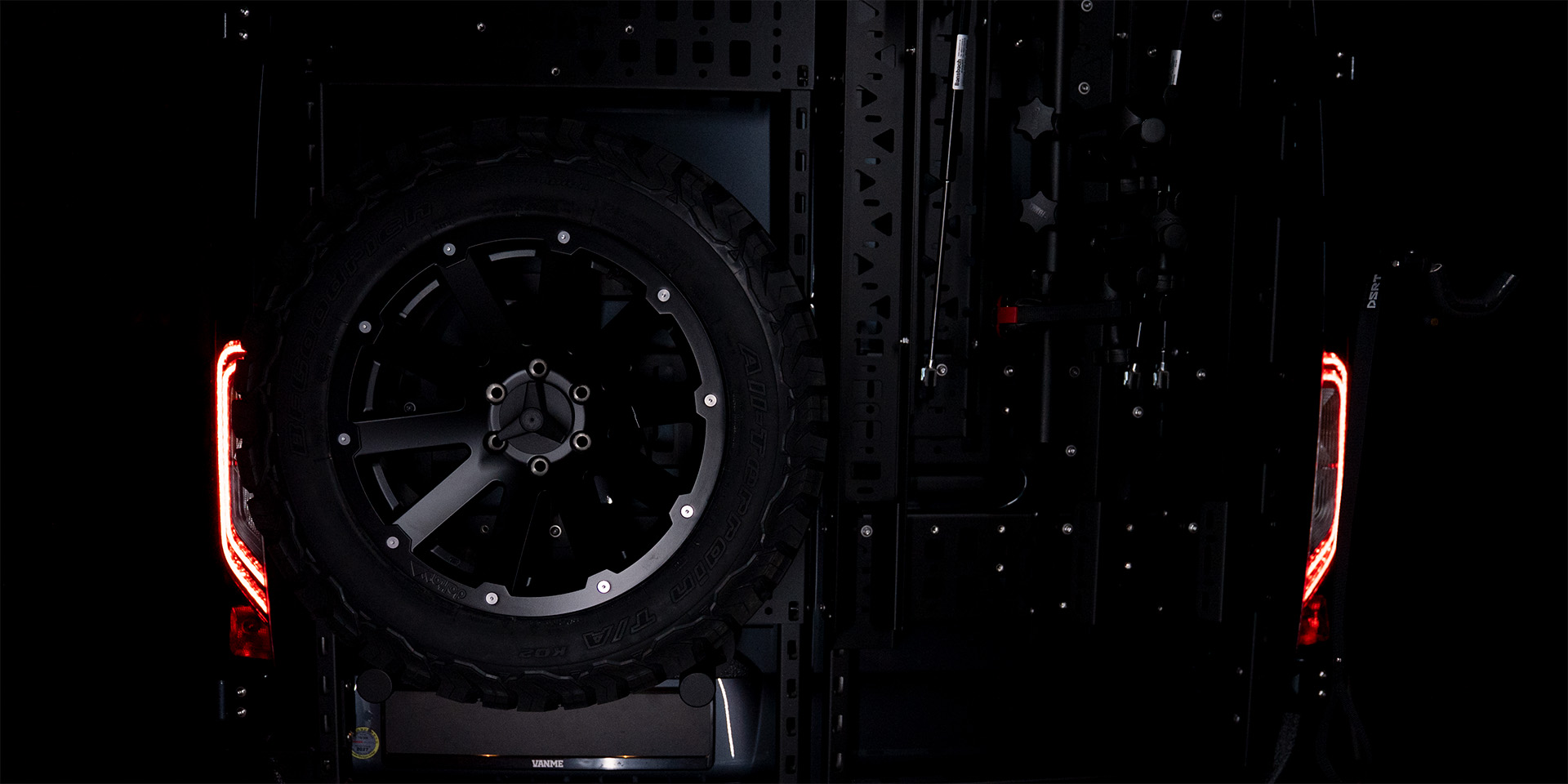
Many campervans are delivered from the factory without a full-size spare tire—a real risk on long-distance trips or off paved roads. A rear carrier solves this problem: The spare tire is securely mounted to the vehicle and remains immediately accessible even when fully loaded, while keeping the interior free of clutter. Whether it’s a Fiat Ducato, Iveco Daily, or Ford Transit—depending on the system—additional fuel canisters or tool holders can be integrated. During installation, we ensure balanced weight distribution and a durable, corrosion-resistant mounting. This ensures the rear carrier remains reliable even after years of intensive use—whether on gravel roads in Scandinavia or mountain passes in the Atlas Mountains.
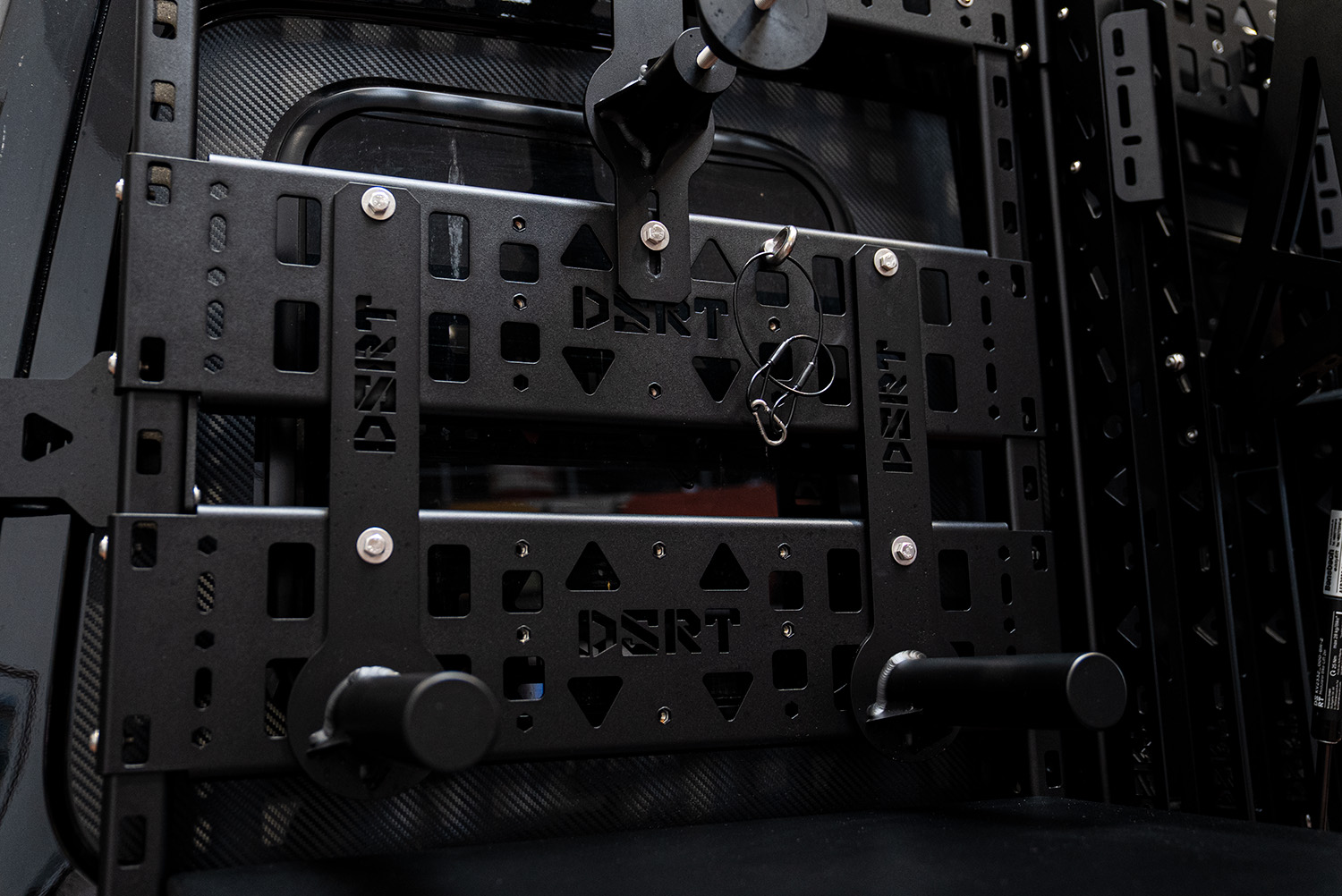
Storage Boxes for a More Organized Trip
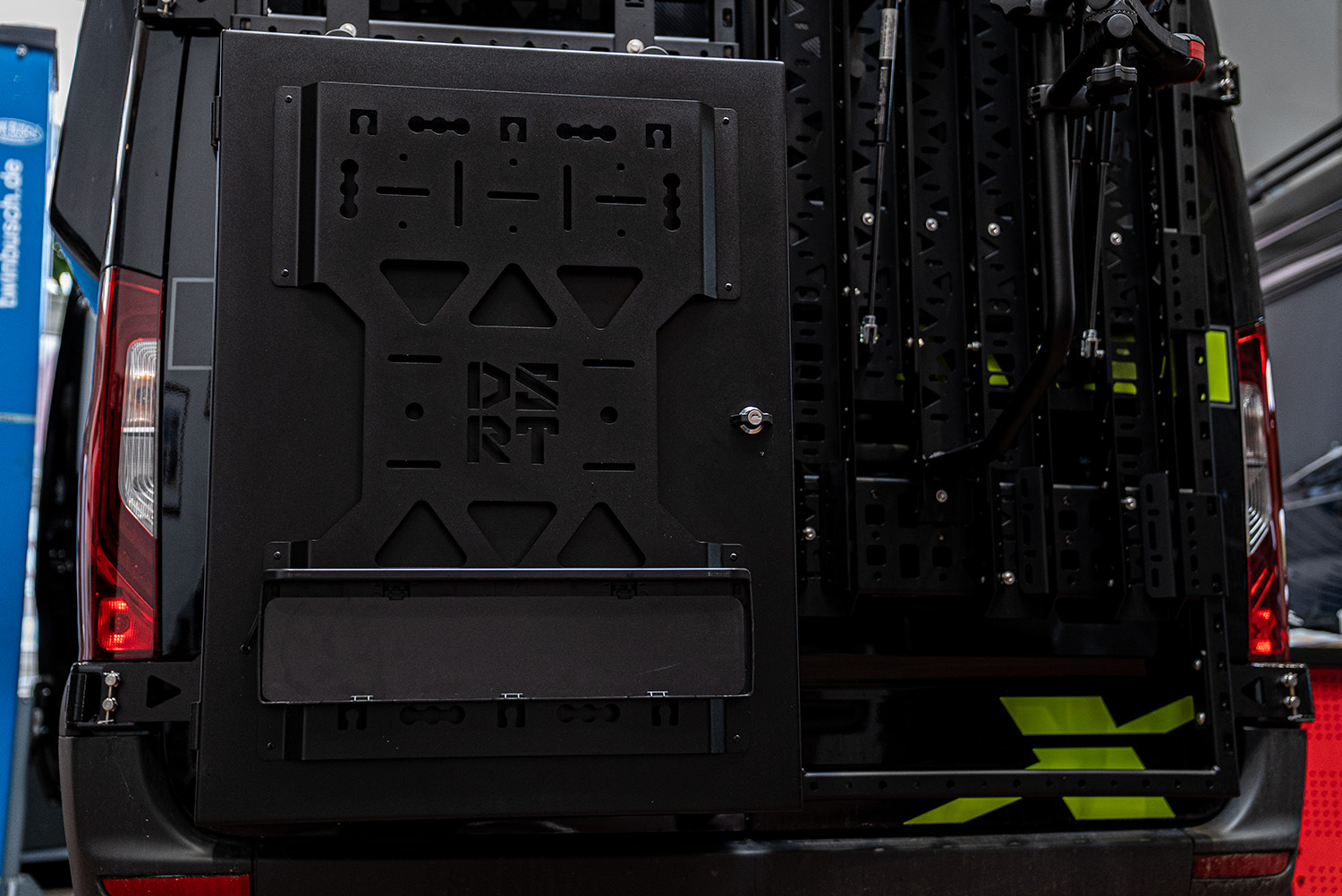
Not everything belongs in the living area: Dirty off-road gear, wheel chocks, tools, or charging cables are much better stored in sturdy outdoor storage boxes. A modern rear carrier offers flexible mounting points for lockable storage boxes in various sizes. The result: The living area stays clean, yet your gear is always within reach. Especially in more compact vehicles like the VW T6 or Ford Custom, every extra liter of storage space counts. During the planning phase, we ensure that the rear doors can still open fully and that the vehicle remains maneuverable and suitable for everyday use. This way, the rear rack becomes a well-thought-out addition—tailored to your gear, your trips, and your vehicle.
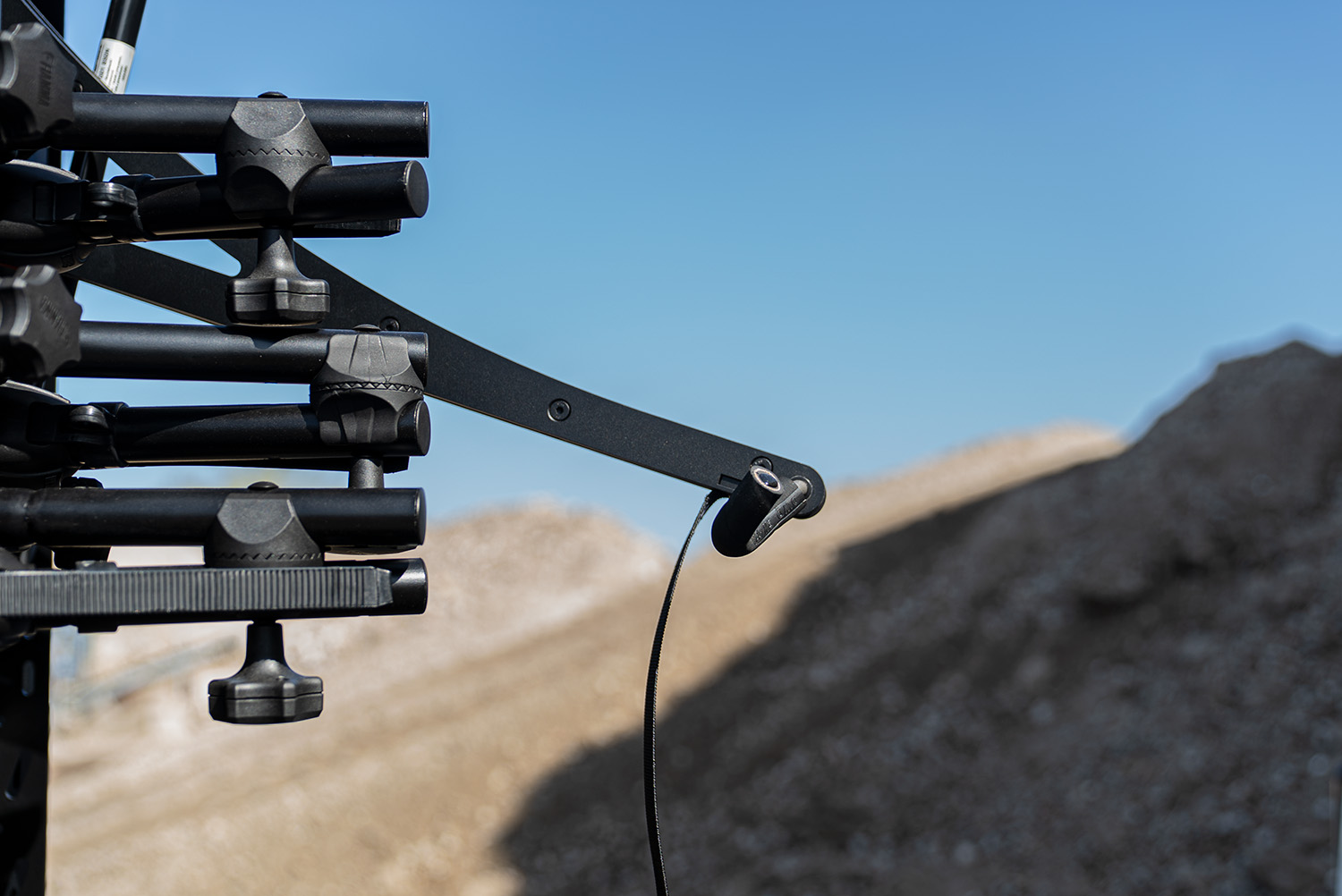
Bike Racks for Adventures on the Go
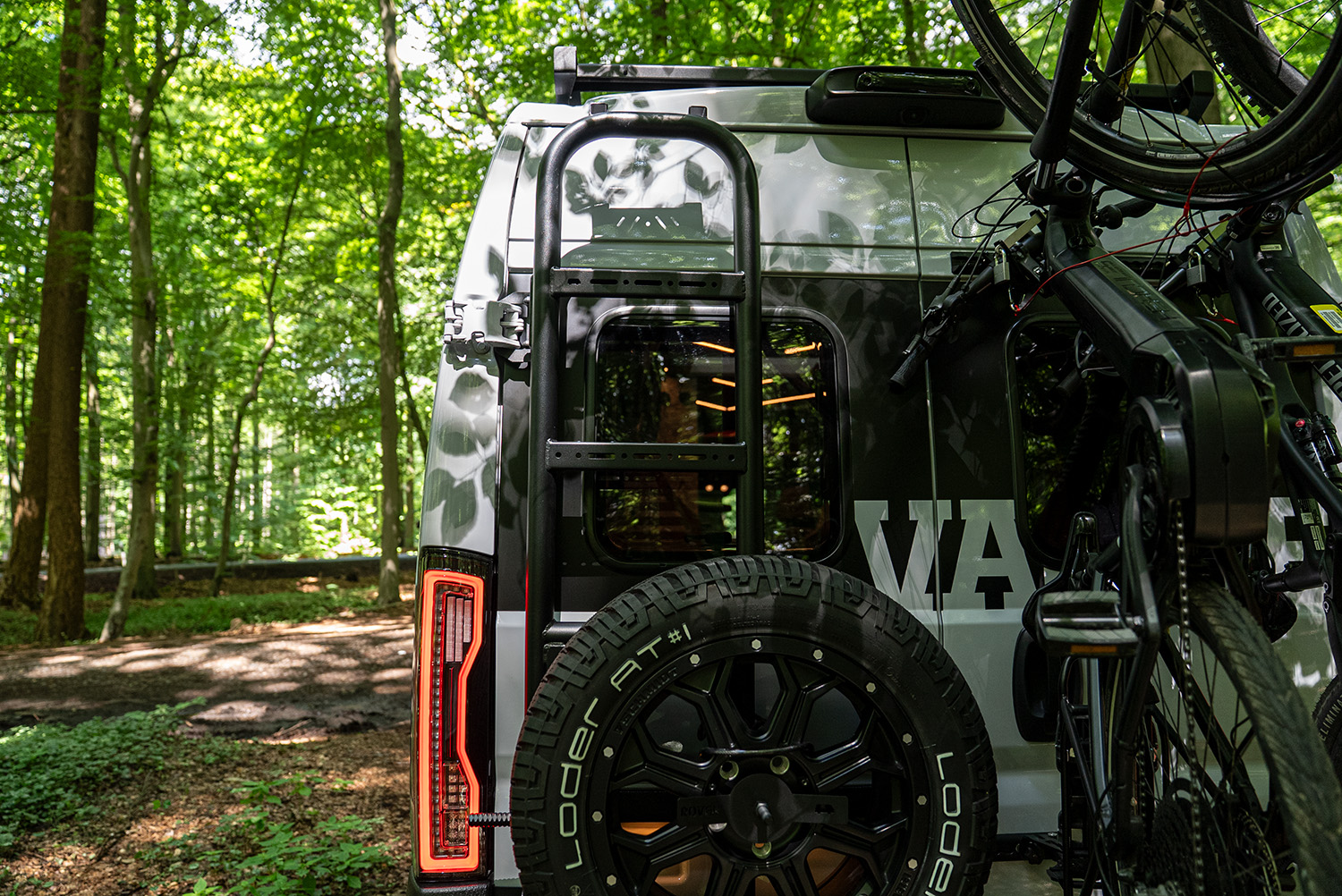
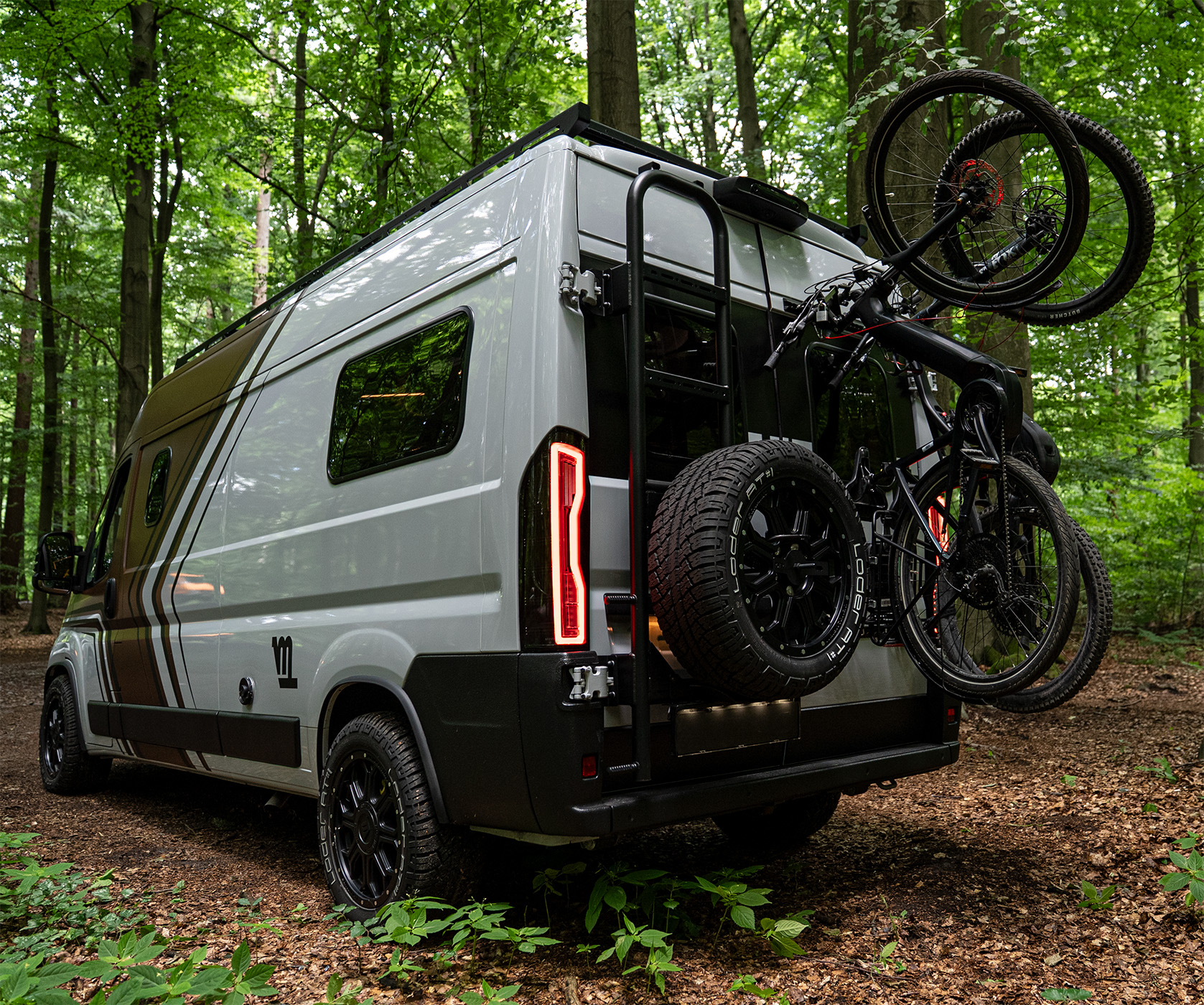
For many campers, bringing bicycles or e-bikes along on a trip is a given. A sturdy rear rack safely transports even heavy e-bikes right on the vehicle—which is important, since with their battery and motor, they can easily weigh over 25 kilograms. That’s why high load capacities, easy loading and unloading, and swiveling solutions that keep the rear doors accessible are crucial. Whether it’s a VW T7, Ford Tourneo, or a large cargo van: Depending on the vehicle, various bike racks can be integrated or retrofitted later. This way, the rear bike rack grows with your plans—from a weekend getaway on two wheels to a family trip with all the gear for four people.
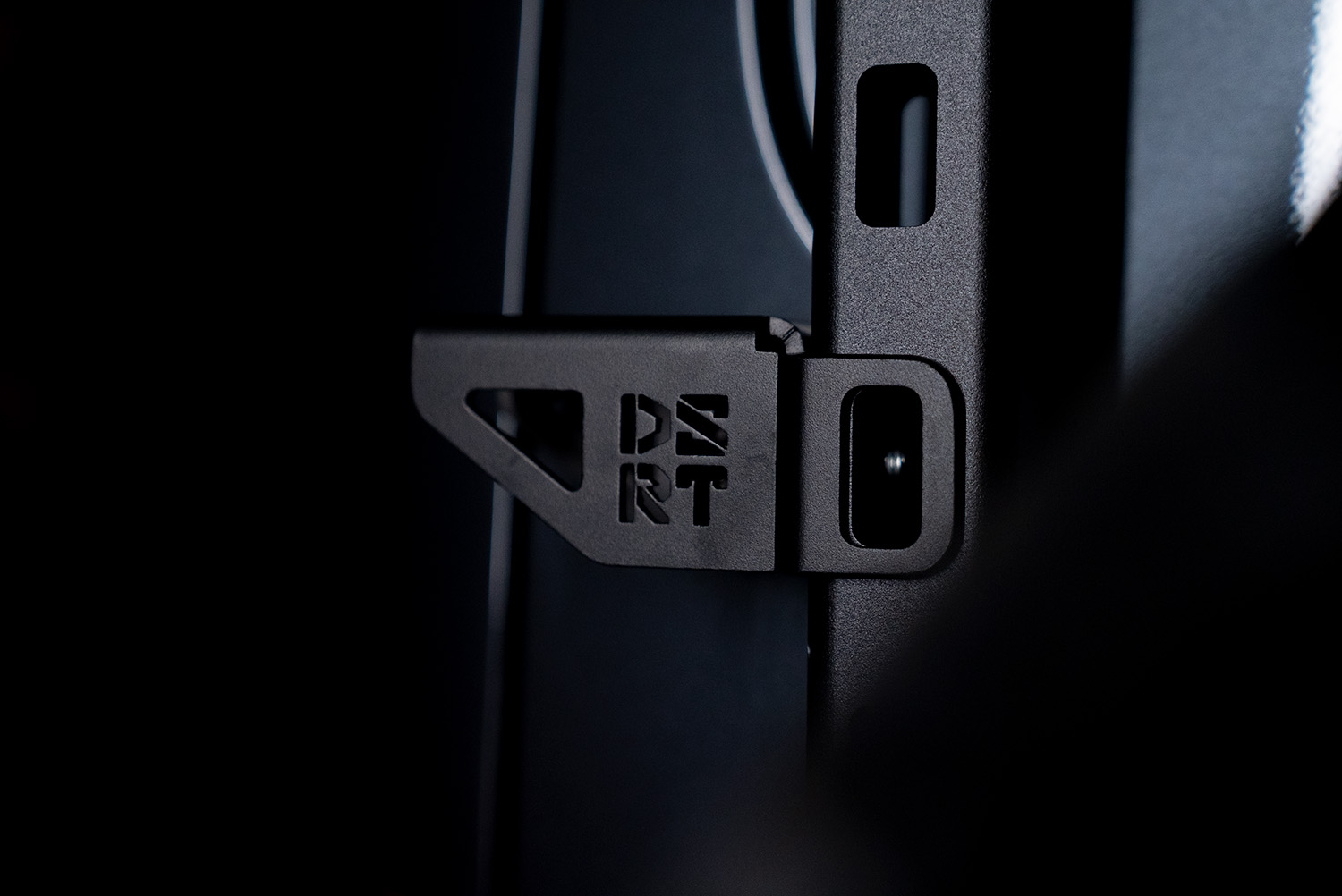
Modular Systems for Every Trip
No two trips are alike—and that’s exactly what a rear carrier should be prepared for. Manufacturers like Kreavans and Delta 4×4 therefore rely on modular designs: Today, a spare tire might be all you need; tomorrow, you might add a storage box; next year, a bike rack. Instead of having to reconfigure the carrier every time a new need arises, a well-designed system can be expanded step by step. This saves money and turns the rear carrier into an investment that will last for years. At VANME, we develop your concept from the very beginning with an eye toward the future: What trips are you planning, and what equipment might you add? This results in a solution that grows with you, rather than one that will eventually need to be replaced.
What Customers Say About Us


Bei meiner Recherche zum Wohnmobilausstatter stieß ich auf VanMe. Bei einigen anderen war ich bereits vorstellig geworden. Die hatten wenig Bock oder machten sich nicht mal die Mühe, mir ein Angebot zu schicken.
Anders bei VanMe! Mit dem ersten Termin hat Max sich Zeit für meine Wünsche genommen, mich beraten. Man hat sofort gemerkt, die wissen, wovon sie reden. Mit der Detailplanung kam der Stein dann endgültig ins Rollen und mit der verspäteten Fahrzeugauslieferung dann auch endlich der Ausbau. Und dann war Mr. Big endlich fertig.
Die hochwertigen Materialien und Verarbeitung haben ihn zu einem echten Schmuckstück gemacht. Die Crew ist der Hammer. Alle mega nett und sympathisch. Und auch die blödesten Fragen werden ruhig und sachlich beantwortet.
Für die Fahrzeugübergabe hat sich Arne mit tollen Erklärungen richig Zeit genommen. Es hat Spaß gemacht mit euch Jungs u. Mädel. Besser geht nicht.
Ein kleiner großer Wermutstropfen bleibt. Individualität und Qualität hat seinen Preis. Aber das war es mir wert!


– Der Möbelbau ist erstklassige Arbeit und zeigt auch nach über 40.000 km Fahrstrecke (auch viele Schotter- und Offroadstrecken) keinerlei Schwachpunkte und Ermüdungserscheinungen.
Im Gegensatz zu unseren früheren Leihmobilen aus dem Standardbau (Pössl, Chausson, Karmann etc.) ist der Ausbau in unserem Van eine ganz andere Liga in Sachen Qualität und Haltbarkeit.
– Natürlich gibt es bei einem komplexen Van-Ausbau hier und da mal vereinzelt Anlass zu einer Reklamation. Auch hier hat sich der erste Eindruck aus der Bauphase des Vans bestätigt. Max, Arne und ihr Team standen uns mit Rat und Tat zur Seite. Reklamationssachverhalte wurde gemeinsam erörtert und sehr professionell im gegenseitigen Einvernehmen besprochen und gelöst.
-Im Laufe der Nutzung stellten wir doch fest, dass es hier und da einige Dinge gab, die unseren individuellen Lebensgewohnheiten besser entsprechen könnten (da kann man mit noch so viel WoMo-Erfahrung im Vorfeld noch so gut planen … etwas zu verbessern gibt es hinterher immer!). Hier fanden wir mit Max und Arne zwei sehr erfahrene Wohnmobilisten, die unsere Anregungen super aufgenommen, ergänzt und umgesetzt haben.
– Inzwischen haben wir auch noch einige substanzielle Dinge nachrüsten lassen wie z.B. Solarpanels, einen zweiten Longsleeper und noch einiges mehr. Auch hier waren wir sehr zufrieden mit der Beratung und Ausführung der Arbeiten.
– Die Kosten: Natürlich findet man nach intensiver Internetrecherche Firmen, die möglicherweise Einzelgewerke günstiger anbieten.
Wir aus unserer persönlichen Erfahrung können jedoch sagen, dass die Preise zur gebotenen Qualität sowie auch dem gebotenen Service überaus angemessen sind.
Nicht ohne Grund nahmen wir für alle nach dem Kauf getätigten Umbauten und Umrüstungen eine Wegstrecke von über 350 km in Kauf.
In Summe sind aus unserer Sicht 5 Sterne hochverdient.
Thorsten D.

VanMe ist die absolute Superadresse. Warum? Naja, stell dir vor du wohnst im Süden von Deutschland, fährst abends los und stellst dann nachts auf der Autobahn fest, dass das Wasser im Van rumspritzt.
Ab nach Hause? Aber nein. Einfach weiter fahren und im Hamburger Hafen zu VanMe gehen. Sehr freundlich am frühen Morgen, schnell, kreativ und sehr viel Fachkenntnis.
Willst du im Norden einen Van bei kreativen Menschen kaufen? Also wir würden zu VanMe gehen…und du?
An Arne nochmal herzlichen Dank.


Wir haben für unseren Fiat Ducato 640 ein Aufstelldach, zwei Maxxfan Dome eine neue Markise und neu Solar bekommen.
Hat alles hervorragend geklappt, kann ich nur weiterempfehlen.


Danke für Euere Offenheit und die fachmännische Transparenz, das hat uns ein sehr gutes Gefühl gegeben unseren T6 in die richtigen Hände gegeben zu haben.
Wir kommen definitiv wieder, wenn wir uns entschieden haben welche Erweiterungen unser Schätzchen noch bekommen soll.

Vorab, unser Auto ist genauso geworden wie wir uns es gewünscht und mit dem VanMeTeam geplant haben.
Wir haben VanMe und Max im Juni 2022 für unseren Mercedes Vito Bj. 2020 extralang angeschrieben und ihm unsere Ideen geschickt. Daraufhin wurden wir zu einem Erstgespräch eingeladen und die Chemie zwischen uns hat mehr als von Anfang an gepasst.
Auf unsere Wünsche wurde eingegangen und zwecks unseren Zukunftplänen auf verschiedene Schwierigkeiten hingewiesen und wir wurden in vielen Sachen umgestimmt und das war im Nachhinein betrachtet gut so.
Aufgrund von Lieferschwierigkeiten von einem nicht näher genannten Zulieferer (R***o) verschob sich das Projekt, da unser Vito auf diese eine Weise noch nicht umgebaut wurde. Nachdem Aufstelldacheinbau kamen wir zum Abschlussgespräch und wir saßen zusammen mit Max, Flo, Arne und haben das Projekt in einer 3D Projektion am Computer bis ins Detail zusammen geplant. Durch die lockere und zuvorkommende Norddeutsche und teils hessiche Art haben wir uns wie ein Teil vom Team gefühlt und das hat sich auch bei der Übergabe des Fahrzeuges gezeigt. Das ganze Team hat bis zur letzten Minute daran Schweiß gelassen, dass wir in unsere Flitterwochen pünktlich starten können.
Wir wollten an diesem Tag gar nicht losfahren und dass das Projekt nun fertig ist und die Kommunikation dadurch weniger wird macht uns ein wenig Wehmütig.
Max, danke an dich und dein gesamtes Team. Wir haben euch sehr in unser Herz geschlossen.

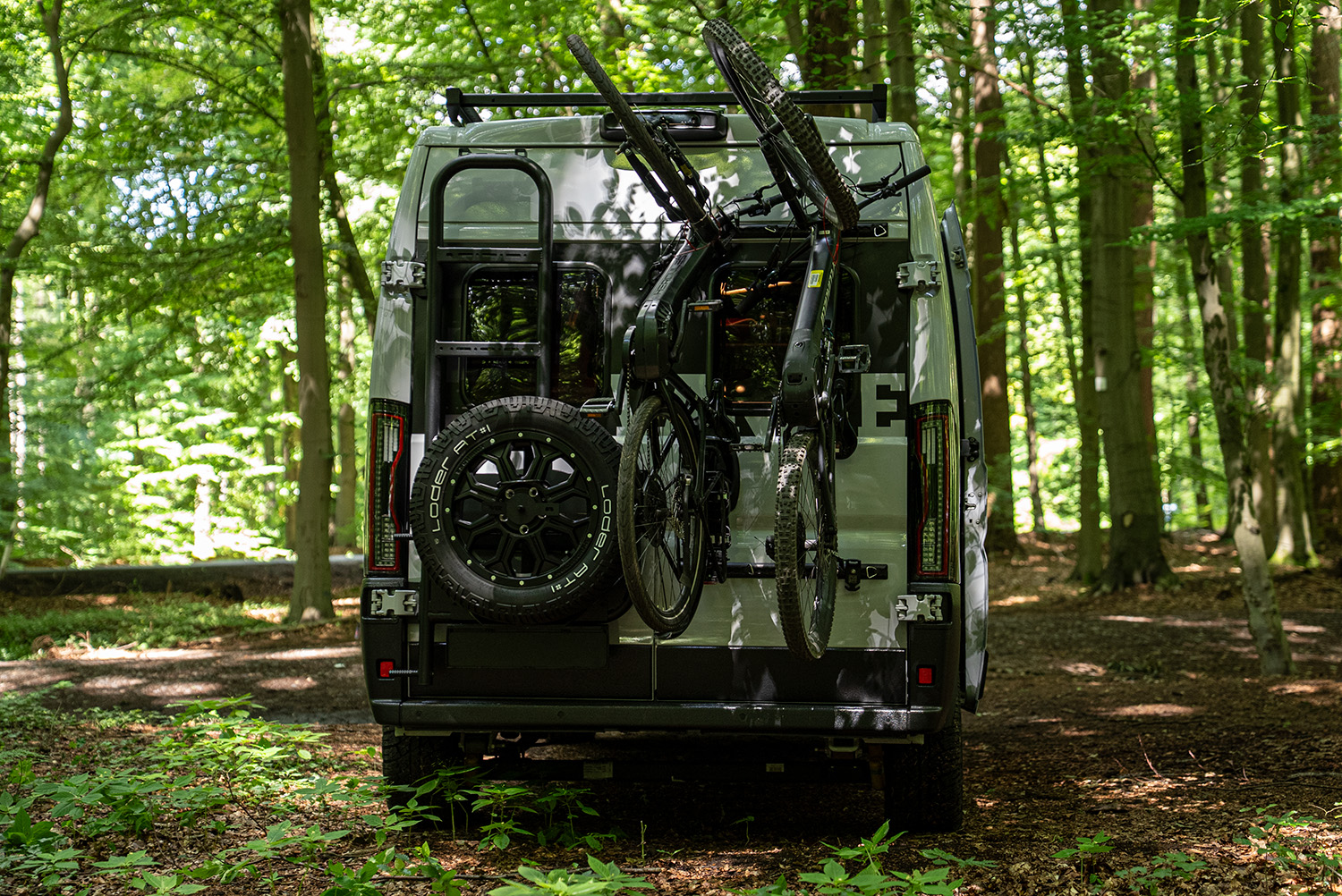
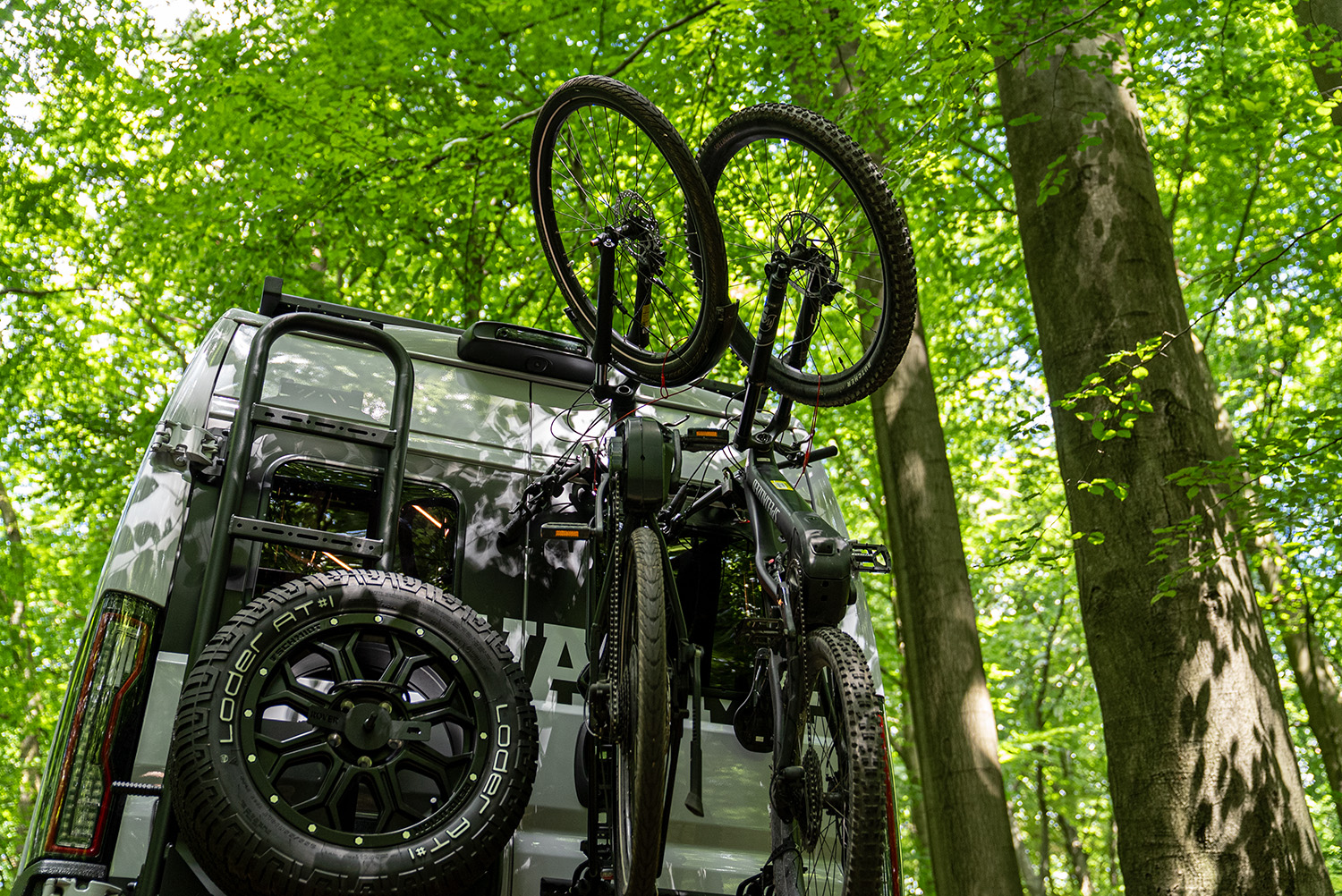
Why Choosing the Right Rear Rack Makes a Big Difference in Your Everyday Camper Life
A rear rack is more than just an accessory—it changes the way you use your camper. Heavy and bulky equipment goes outside, creating living space inside. But the differences in quality really show up in the details: Can the rear doors open fully with the rack installed? Will the vehicle still fit in a parking garage? Will the structure hold up even after thousands of kilometers on corrugated dirt roads?
This is exactly where solid engineering sets itself apart from simple aftermarket solutions. A good rear rack goes unnoticed in everyday use—because it works without getting in the way. That’s why it’s worth honestly considering your own needs before buying and choosing a product with proven quality.
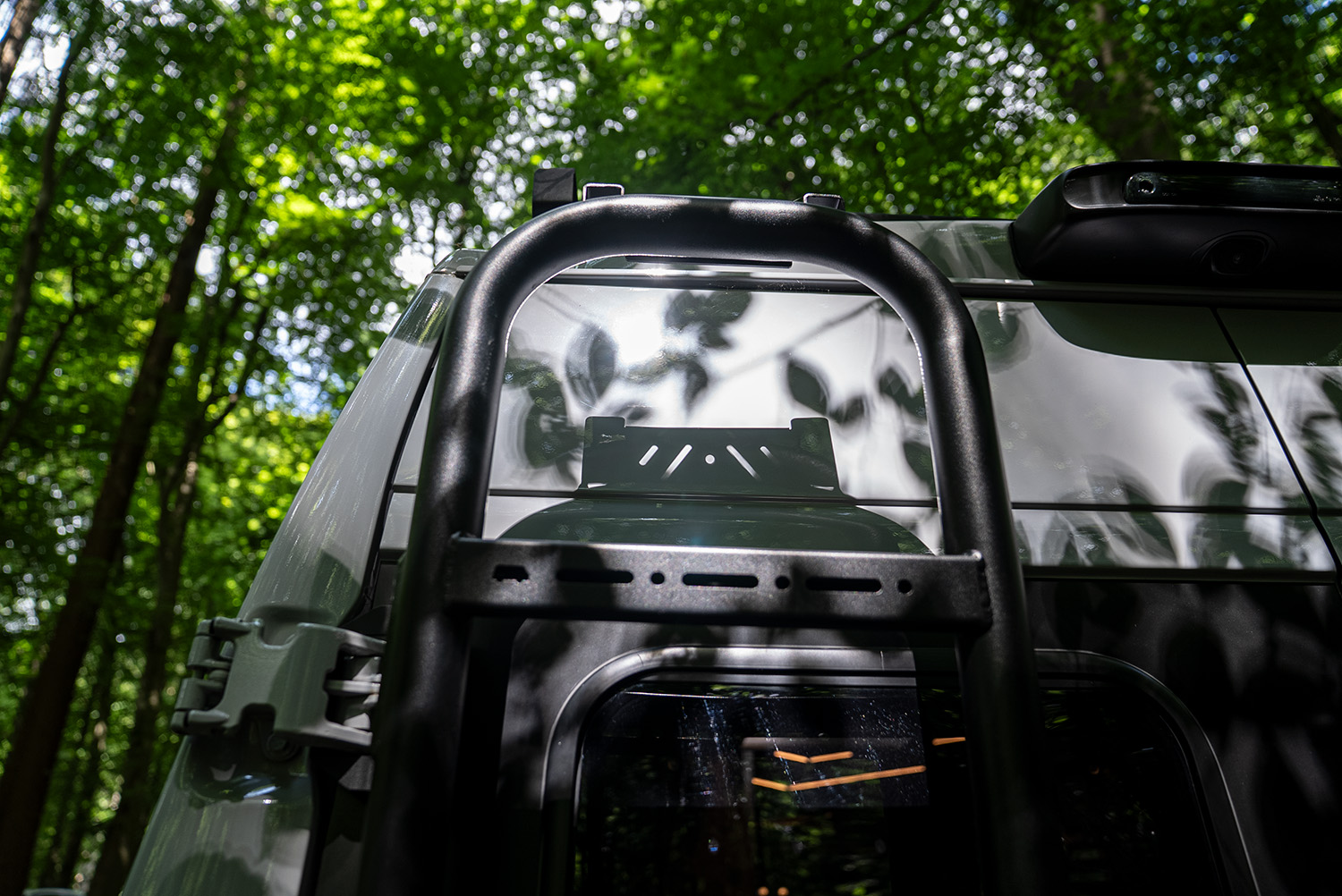

Rear Racks for Camper Vans: What to Look for When Choosing One
The search for the right rear rack doesn’t start with the accessories, but with the vehicle itself. Door hinges, door weight capacity, and permissible axle loads set the technical parameters—and these can vary significantly even among vehicles of the same model from different model years.
Then there’s the issue of weight: Every kilogram at the rear shifts the load onto the rear axle and affects handling, especially in fully equipped campers that are close to the maximum allowable weight limit.
Existing accessories such as ladders, trailer hitches, or backup cameras must also be compatible with the rear rack. At VANME, we clarify these points before making any recommendations—by reviewing your vehicle’s documentation, inspecting the body of the vehicle, and considering your planned trips.


Manufacturers at a Glance

Kreavans
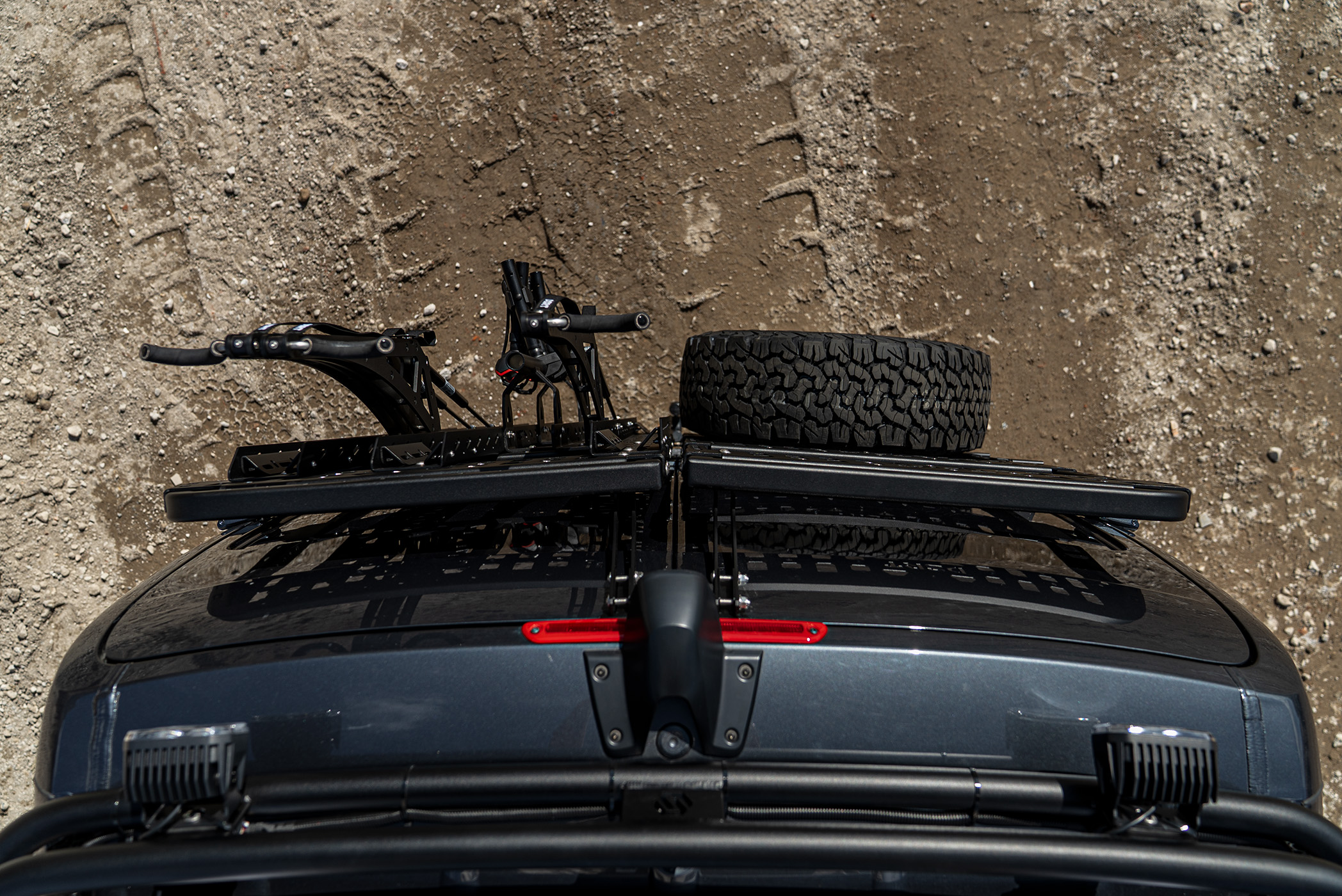
Modular accessories, developed by campers for campers—that’s what Kreavans stands for with its DSRT brand. At the heart of the system is the rear rack with an 11-hole mounting system: a flexible platform available in three versions, on which you can freely combine and expand spare tire holders, storage boxes, surfboard holders, or the bike lift for up to four e-bikes. Compatible with popular panel vans such as the Sprinter, VW Crafter, MAN TGE, Fiat Ducato, and Ford Transit. The Flex version can carry up to 80 kilograms—enough capacity for everything you’ll want to take along on long trips.

Delta 4×4
For decades, the name delta4x4 has been synonymous with off-road expertise: This Bavarian family-owned company develops suspension systems, heavy-duty rims, and accessories for rugged off-road use. This expertise is particularly evident in the rear carrier—the sturdy aluminum tubular construction combines a spare tire mount and a TÜV-certified ladder function in a single system, complemented by a utility plate with universal mounting options for canisters or sand plates. Available for the Sprinter, VW Crafter, MAN TGE, Fiat Ducato, and Ford Transit. For those who spend a lot of time on dirt roads and trails, this is a solution designed to withstand the constant strain of such use.

Rover Vans
Consistent use of lightweight construction—that’s the Rover Vans signature. The U.S. manufacturer produces its roof rack systems entirely in-house: built entirely of aluminum and powder-coated, making them weather-resistant and significantly lighter than comparable steel structures. The lineup includes combined spare-tire and ladder racks, accessory racks, and the weatherproof Titan box with a 240-liter capacity and a 40-kilogram load capacity. The systems are available for the Sprinter and Ford Transit. If you’re watching every kilogram when it comes to your rear carrier—perhaps due to limited payload capacity—this design is exactly the right choice for you.
Here’s how we design your rear rack system at VANME
It all starts with your no-obligation inquiry via our website. During our initial consultation, we’ll discuss what equipment you plan to bring along and how you use your camper. Then we’ll take a close look at your vehicle: Can the hinges and door panels withstand the weight of a rear rack over the long term? If not, we’ll show you retrofit solutions or alternatives.
Based on this, we assemble the carrier system along with all its attachments—from the spare tire mount to the storage box—and calculate exactly how the additional weight affects the axle load and handling. At the same time, we check the visibility of the taillights and, if necessary, plan for suitable additional lights right from the start.
After installation, we thoroughly test all functions: door movements, locks, lighting, and the secure fit of every screw connection. The process concludes, where necessary, with final inspection and entry into the vehicle’s registration documents. The result: a well-designed rear rack that matches your vehicle and travel style and is fully compliant with all legal requirements.